
Three days in Reno with national reentry leaders, the team that brought them here, and the JIVE mentors helping the next person find a way forward.
By Jarret Orcutt | October 18th, 2026
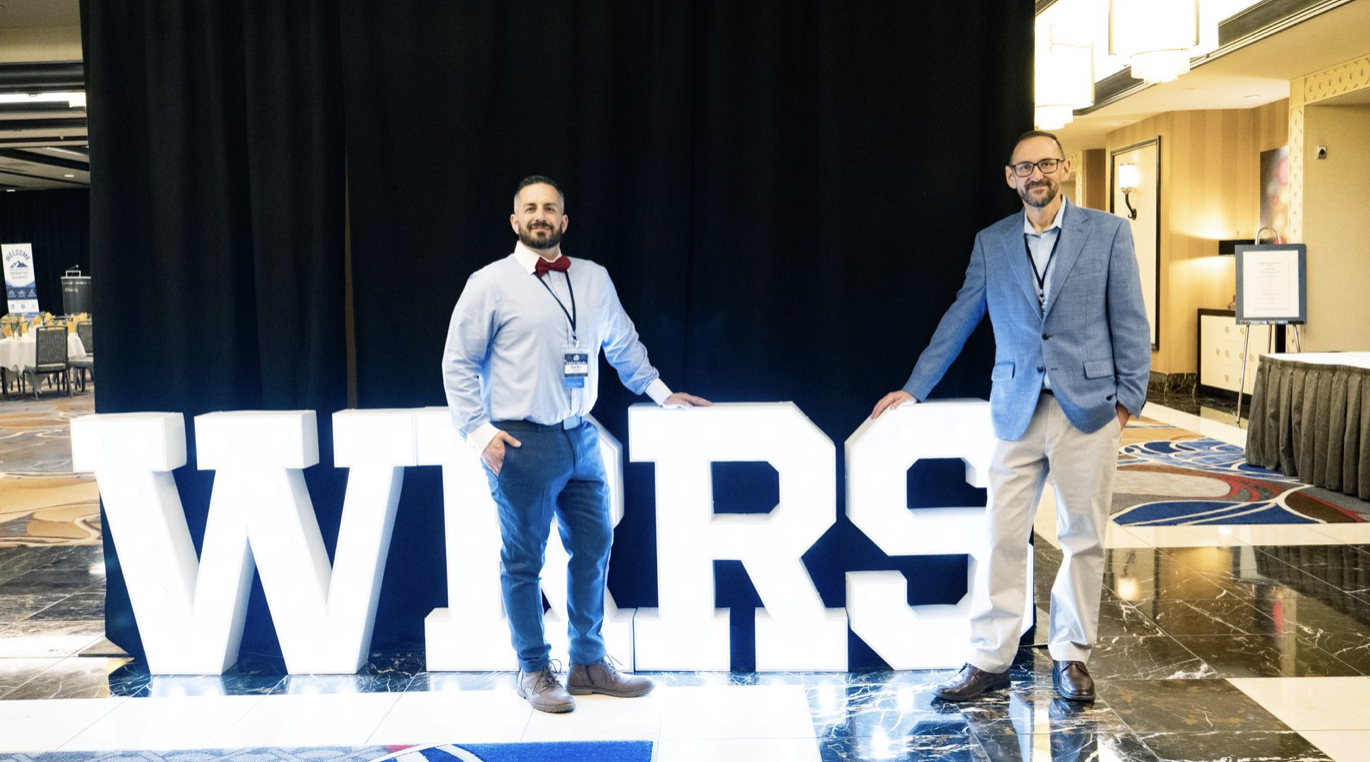
Jarret Orcutt and Danny Weiss at the Western Region Reentry Summit in Reno, October 2026
From October 14 through 16, I helped bring the Western Region Reentry Summit to my hometown of Reno, Nevada. I served on the planning committee, brought our TMCC JIVE peer mentors, and presented alongside Danny Weiss, a student I once turned down who now works for the State of Nevada.
Our published program listed 84 presenters. National reentry leaders joined corrections officials, researchers, educators, employers, and people who had come home from prison. Nevada Department of Corrections Director James Dzurenda addressed the summit. Adam Clausen, Kerwin Pittman, Topeka Sam, and Stephanie Taylor Thompson delivered keynotes. And our mentors were there to join the conversation.
I came to the summit through two parts of my work: coordinating Educational Partnership Programs at Truckee Meadows Community College and serving on the Nevada Sentencing Commission. I also came as someone who spent seventeen years incarcerated in Nevada. I know how much has to happen between wanting a different life and being able to build one.
Helping organize this gathering, then standing beside Danny to talk about what worked for us, was a week I wanted to get right.
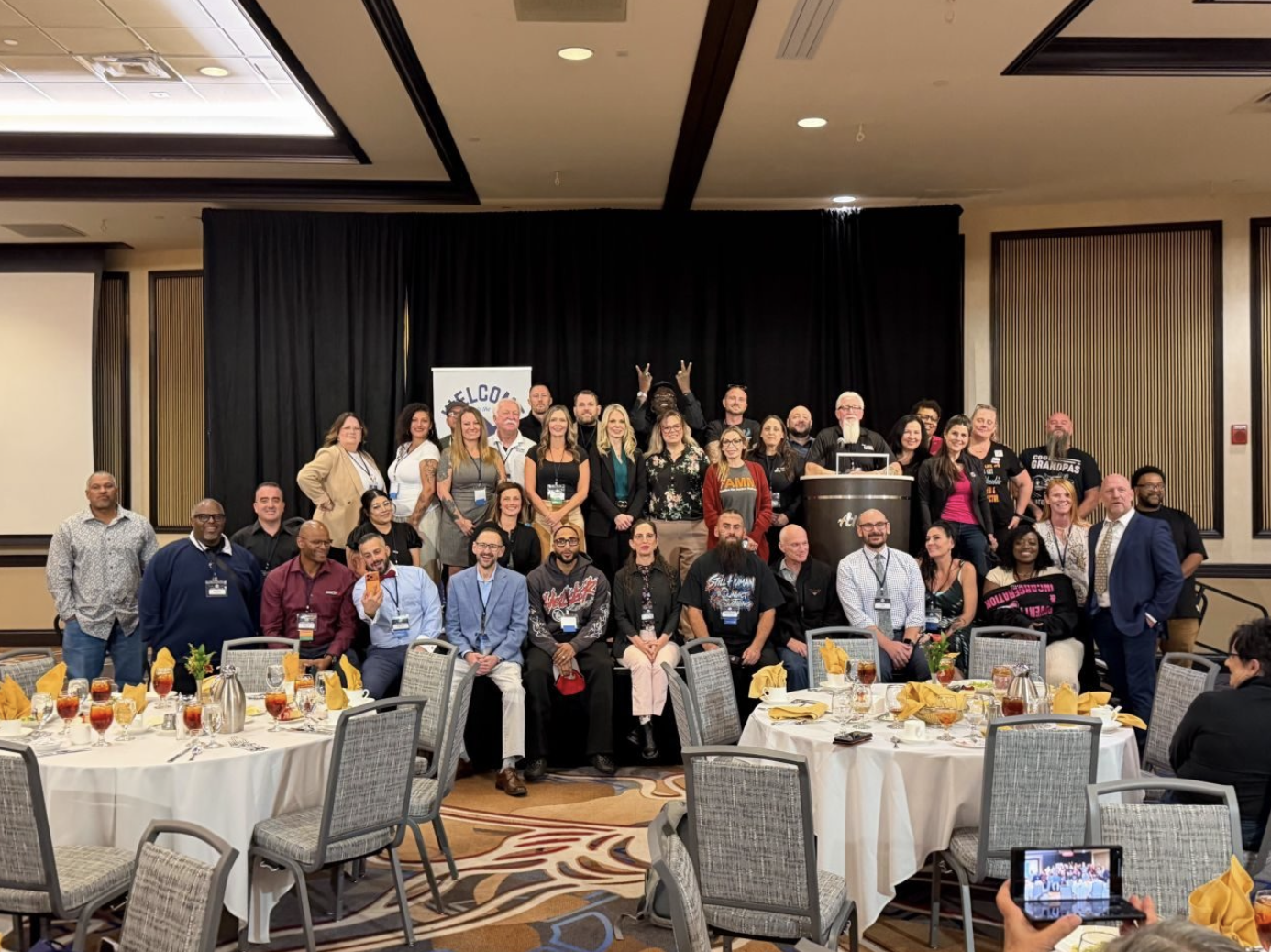
Summit participants gather in the Grand Ballroom at the 2026 Western Region Reentry Summit in Reno
Two state workers, one shared presentation
On Friday morning, Danny and I presented “Two Formerly Incarcerated State Workers Walk Into a Bar Step Up to the Bar.” He is an IT Technician IV with the Nevada Department of Conservation and Natural Resources. I work at TMCC. We wanted to show what it takes for education in custody to continue into a career after release.
When Danny first came to me about studying IT, I had reservations. Correctional staff who knew him asked whether I had talked to him. I hadn't. We met, I asked hard questions about his plans, and he had thought through his answers. We found a way forward.
I told that story from the stage. Then Danny turned to the room and said, “That's me. I am that student.”
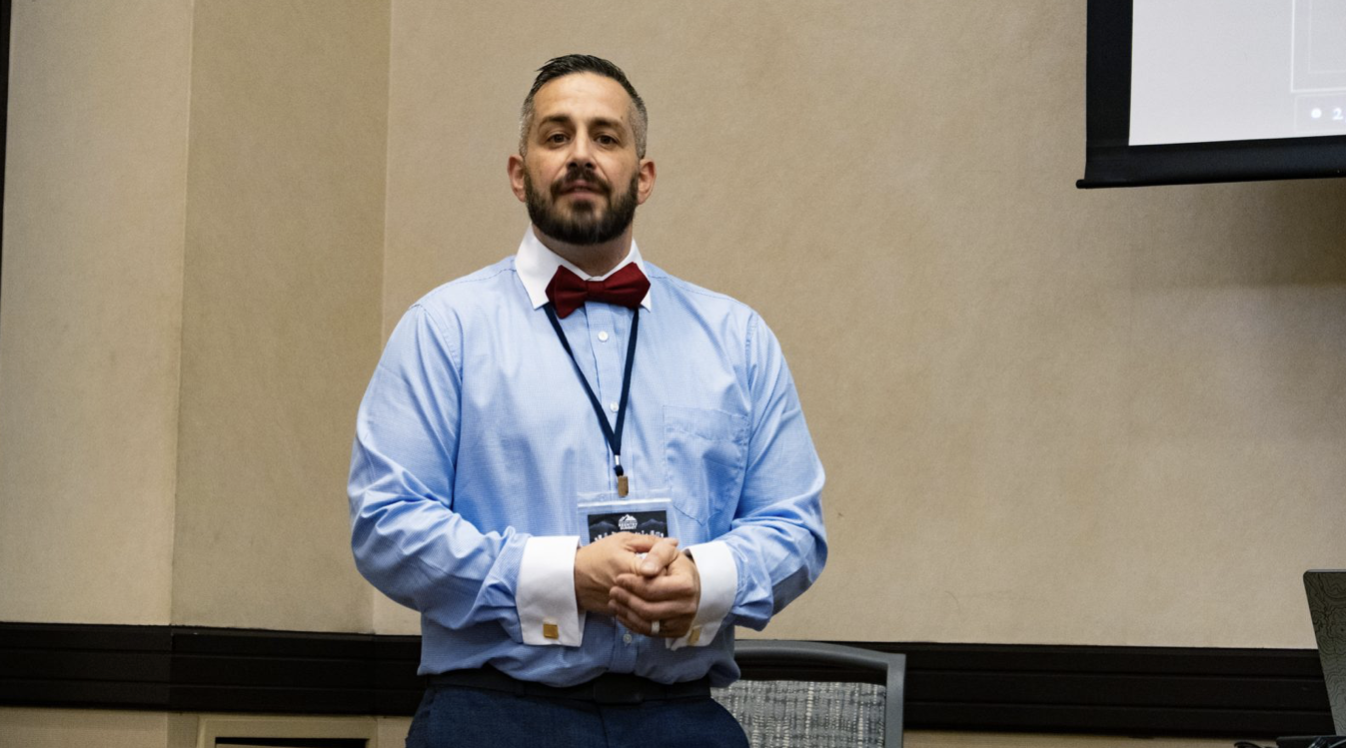
Danny Weiss presenting at the 2026 Western Region Reentry Summit
He explained the arrangements that helped him keep moving after release. His education had started in custody. He already knew his advisor and his class schedule when he came home. “There was no gap of having to go find who to talk to about this,” he told the room.
That continuity takes work. College staff and correctional staff have to coordinate before release. Someone has to answer the phone afterward. A student needs to know where to go next, and an employer has to consider the skills that student has earned.
On stage, I asked, “Instead of second chance, what is a fair chance?” Danny gave the room a person to think about while considering the answer. He had done the coursework and earned a state job. Our task is to make that path available to more people.
The night before our presentation, he told me, “My story shouldn't just be the standalone thing. There should be 50 of me.”
I keep coming back to that number.
The national conversation came to Reno
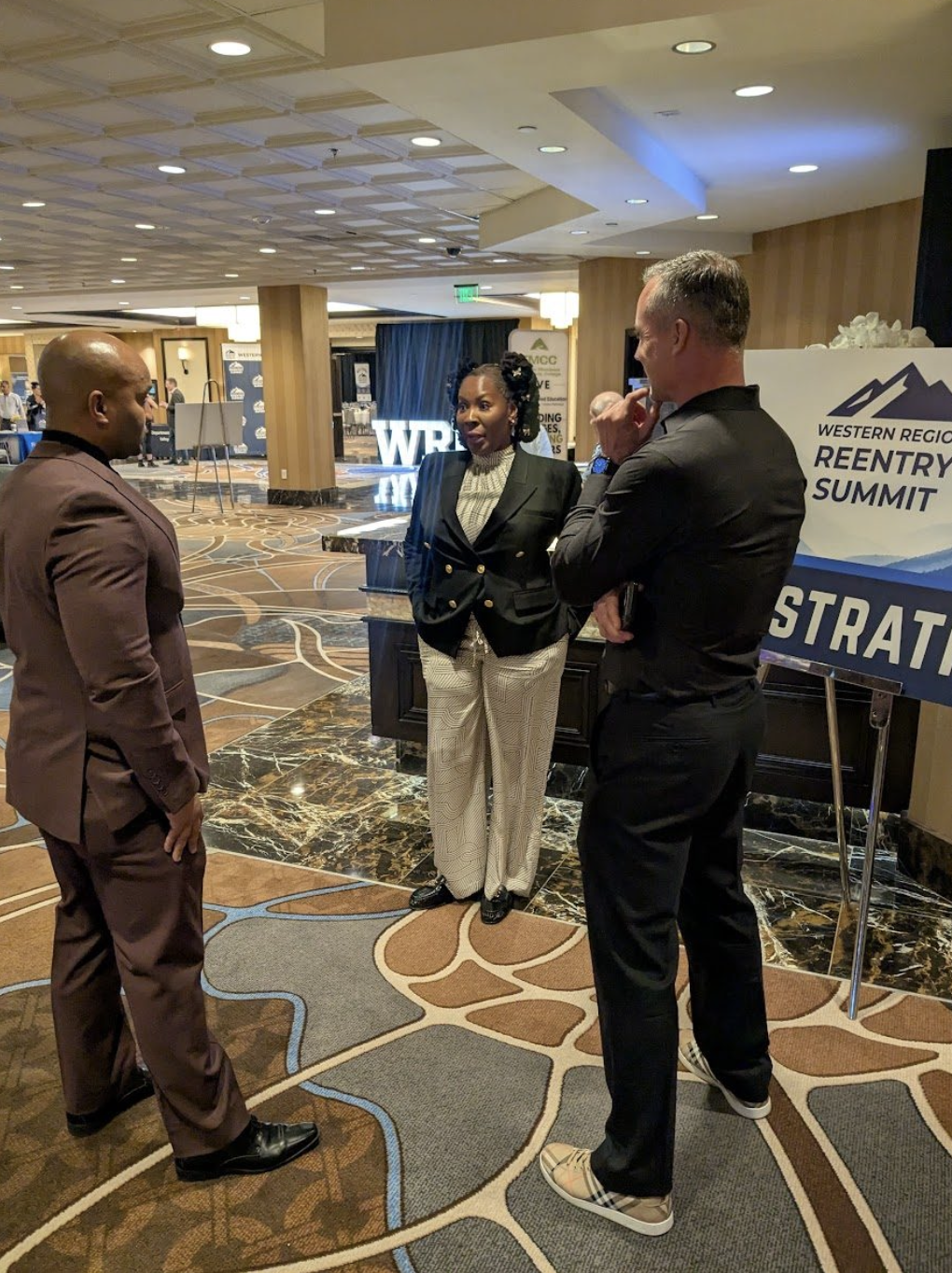
Kerwin Pittman, Topeka Sam, and Adam Clausen in conversation at WRRS 2026
Adam Clausen of Legacy Impact Group opened with a challenge that applies to anyone running a reentry program: “We pay for activity, we should be paying for outcomes.” He also spoke about people serving long sentences who want to contribute to others. I recognized that desire from my own time inside.
Kerwin Pittman, executive director of Recidivism Reduction Educational Program Services, gave us a shorter version: “Help that don't help ain't help.” It is worth asking of our own work. Did the person leave with something they could use? Did we help them get into a class, find work, or reach someone who could answer the next question?
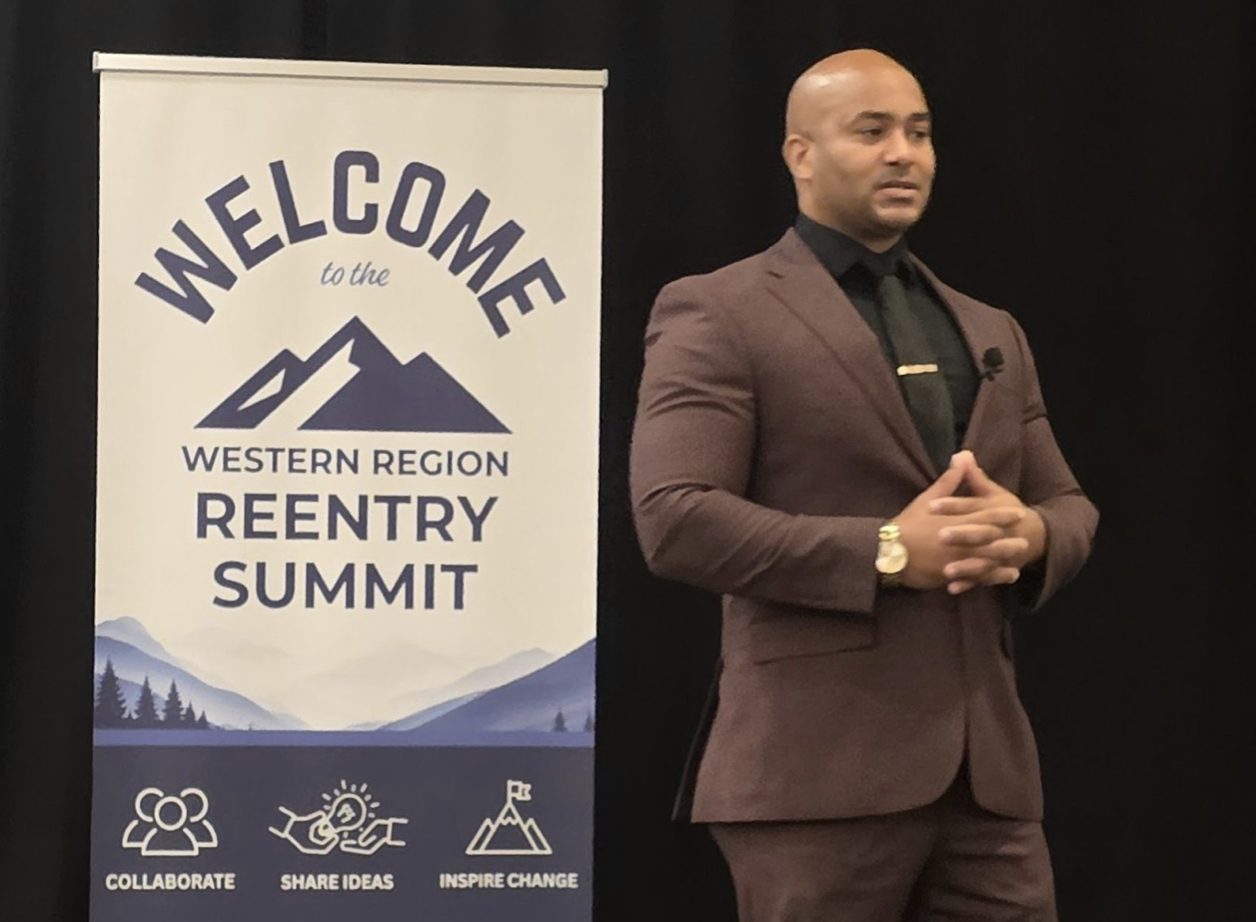
Kerwin Pittman delivering his keynote at the Western Region Reentry Summit
Topeka Sam, founder of The Ladies of Hope Ministries, spoke about the worth of people doing this work and the business of sustaining it. Marc Levin of the Council on Criminal Justice and Ryan Spohn of the Nebraska Center for Justice Research addressed policy and evidence. The program brought in researchers and practitioners from the Urban Institute, FAMM, R Street Institute, Prison Fellowship, Project Rebound, and Rising Scholars programs.
I spend much of my week working across systems that each control a piece of a student's future. The college handles enrollment. Corrections controls access inside. Housing, transportation, and employment involve still more people. At the summit, we could sit down with colleagues working on the same problems in other places and compare what we were doing.
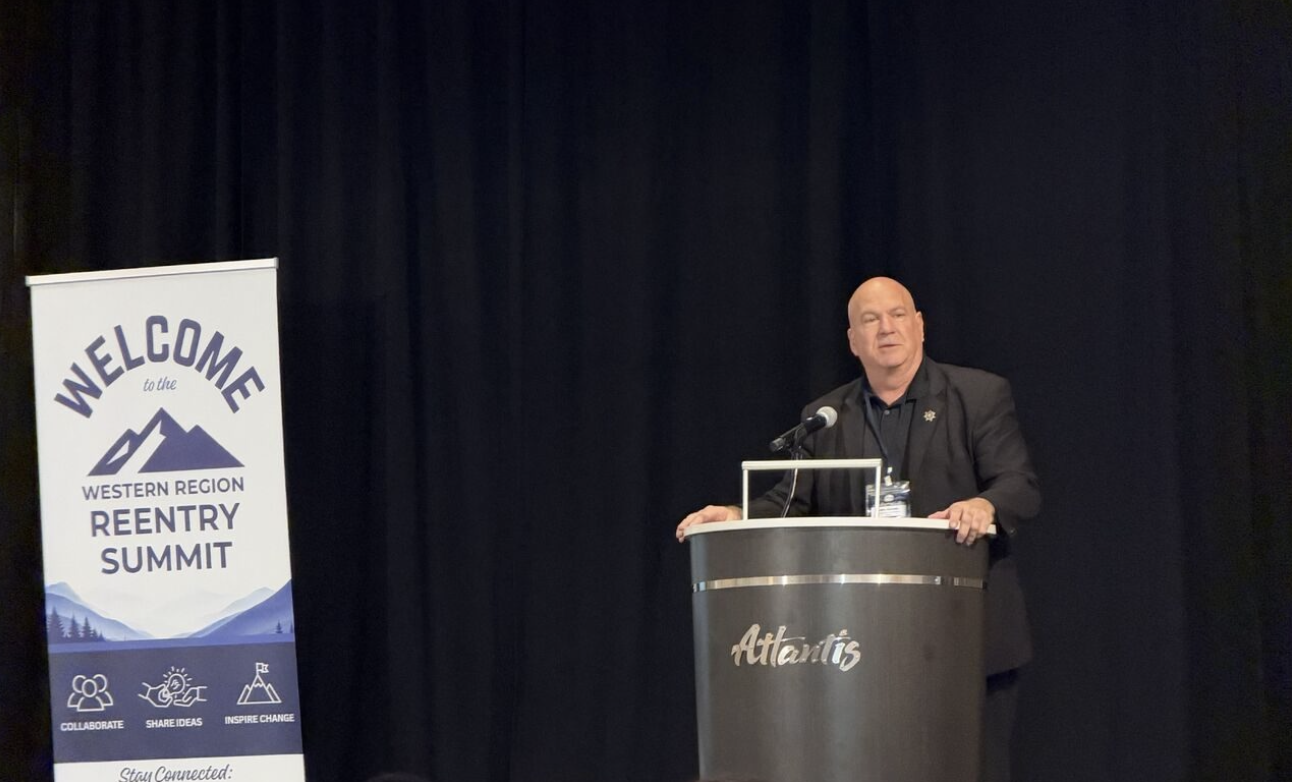
Nevada Department of Corrections Director James Dzurenda addressing WRRS 2026
Our planning committee worked hard to bridge the gap between corrections and reentry. Having NDOC Director James Dzurenda share his perspective as we closed out the summit was an important part of that work. During his Friday address, he questioned why corrections doesn't talk more about how many people succeed.
That conversation matters to me. A student can complete classes, earn credentials, and get hired, and we still need a way to account for that progress. Danny was in the building, doing his part to explain it.
In her closing keynote, Stephanie Taylor Thompson of Prison Fellowship described how “the experiences that once brought shame have become instruments of service.” I had spent the week seeing people put that experience to work.
Our people at the table
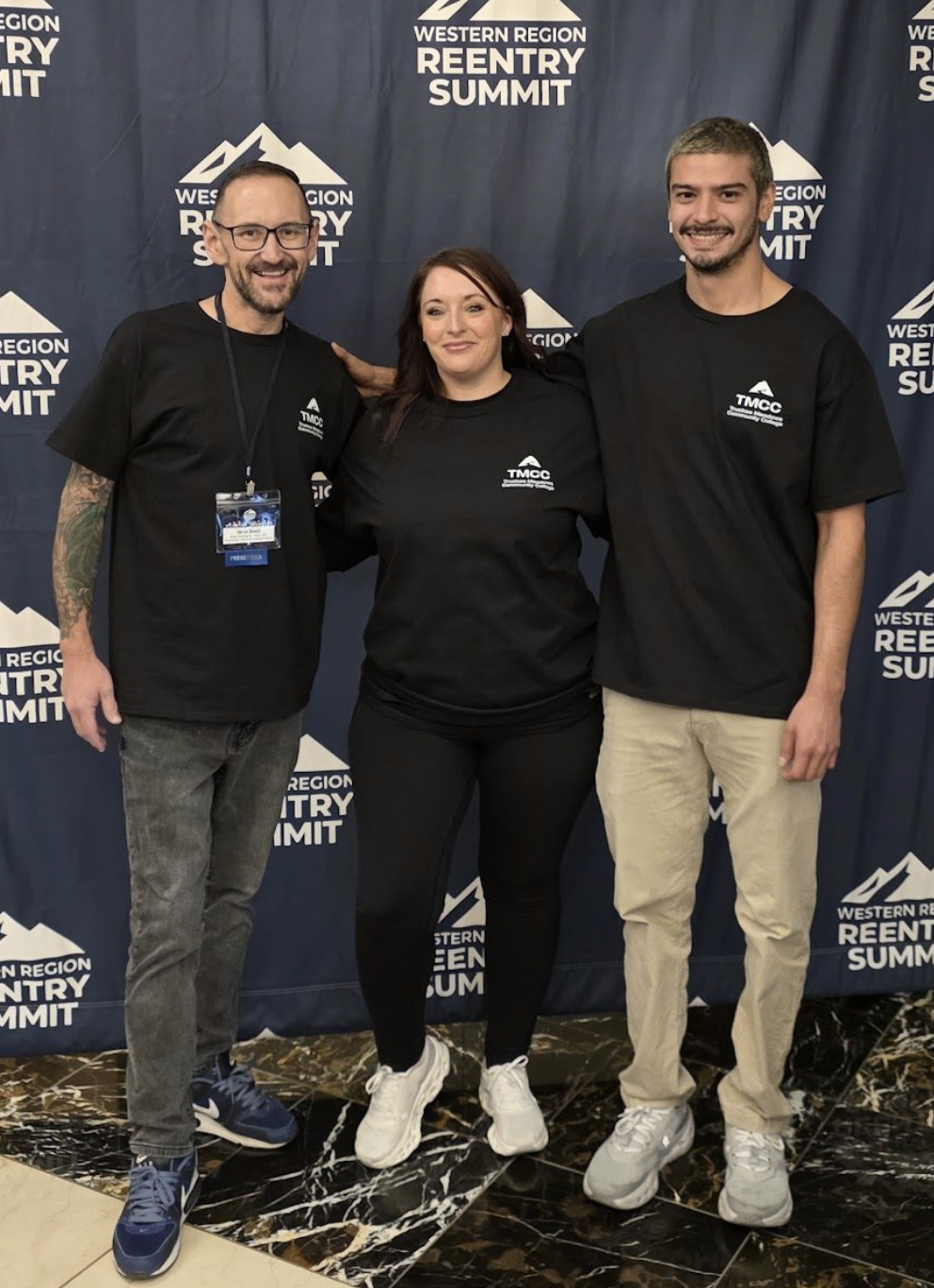
JIVE mentors Heather Morton and Eduardo Solis representing TMCC at the summit
Heather Morton and Eduardo Solis worked the JIVE table on Thursday. Lary Plumlee worked the summit too. Wynnton McIntyre joined the mentor team, and Jeannine Bell kept the table running across all three days.
I wanted people who stopped by to meet our mentors. They can explain what it feels like to find your way through college, ask for help, and become someone other students turn to. They also deserve the chance to meet the people making decisions about reentry.
I bought black TMCC shirts for the team. When someone raised the question of leaving our table set up overnight, I had to laugh: “What are they going to do? Steal flyers? Sign up for school?”
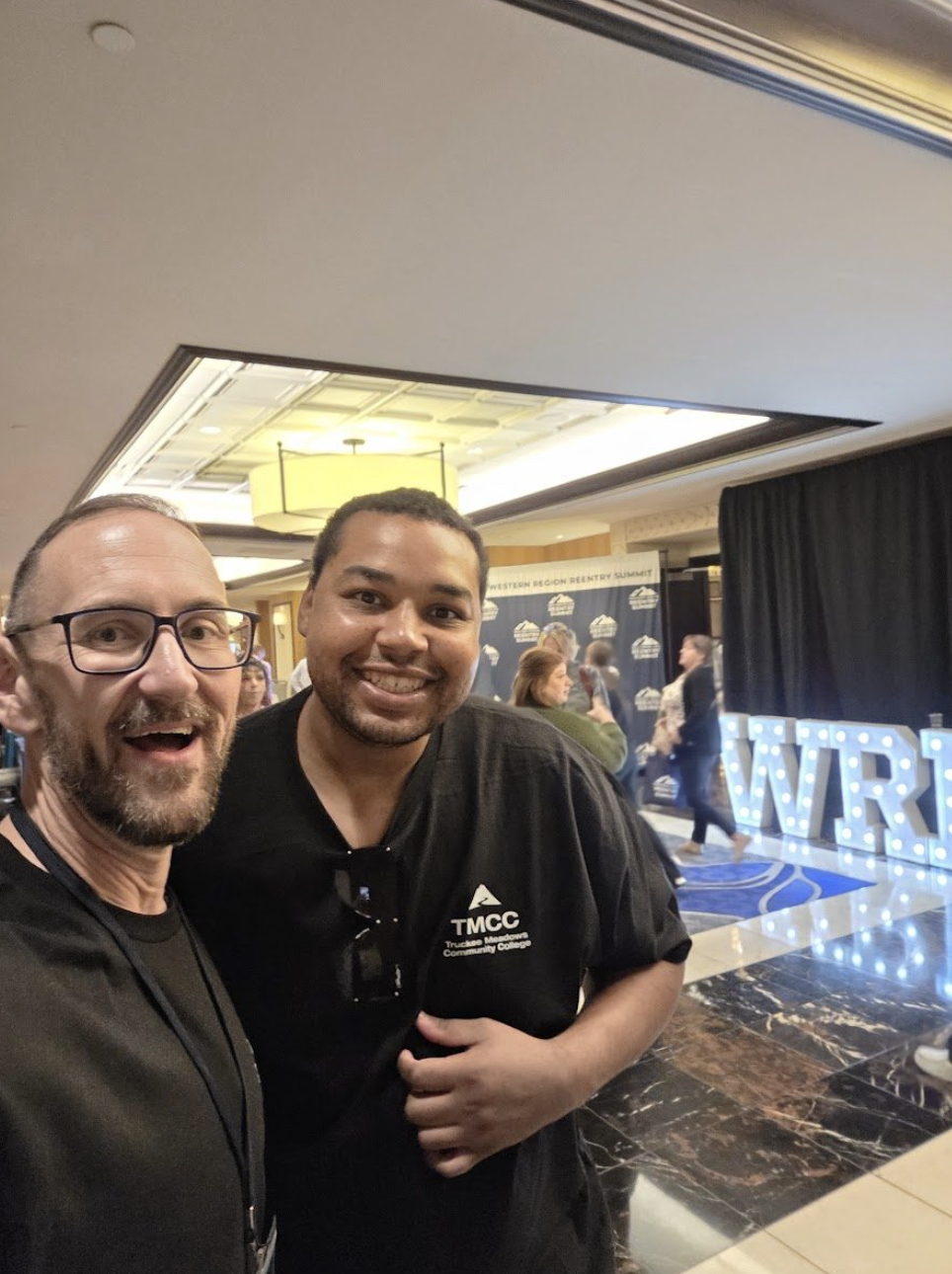
Wynnton McIntyre and Jarret Orcutt at the Western Region Reentry Summit
On opening night, I stood inside the Atlantis with Danny and Lary and told them about getting arrested in that same building years before. I remembered the room upstairs, the skybridge, and the bottom of the escalator. This time I was there as an organizer, with people I work alongside and a presentation to give.
I was glad I could share that moment with them. It meant more than arriving there by myself.
The team behind the summit
Erin Aboud chaired our planning committee. She deserves credit for bringing the team through months of planning and into those three days at the Atlantis.
The committee included Dr. Cassandra Atkin-Plunk of Florida Atlantic University; Dr. Breanna Boppre of the Urban Institute; Chaplain Chaz Blackburn of the I.F.O.C. Great Basin Chaplain Corps; Shelly Hazelton of the Next Step Re-entry Program; Dr. Nora Kenney of Palomar College's Rising Scholars program; Heidi McCafferty of The Open University; Jonathan Morgan of the University of Cincinnati; Michael Reynolds of ACT Up Business Consulting; Vanessa Rojas of FAMM; Jacquin Webb of Reconnect 180; and me. Erin brought her work leading Chrysalis Light Recovery Homes.
We brought different experience to the planning. I brought my work with students at TMCC, my role on the Commission, and a commitment to having our mentors in the room. I am proud of what we built together.
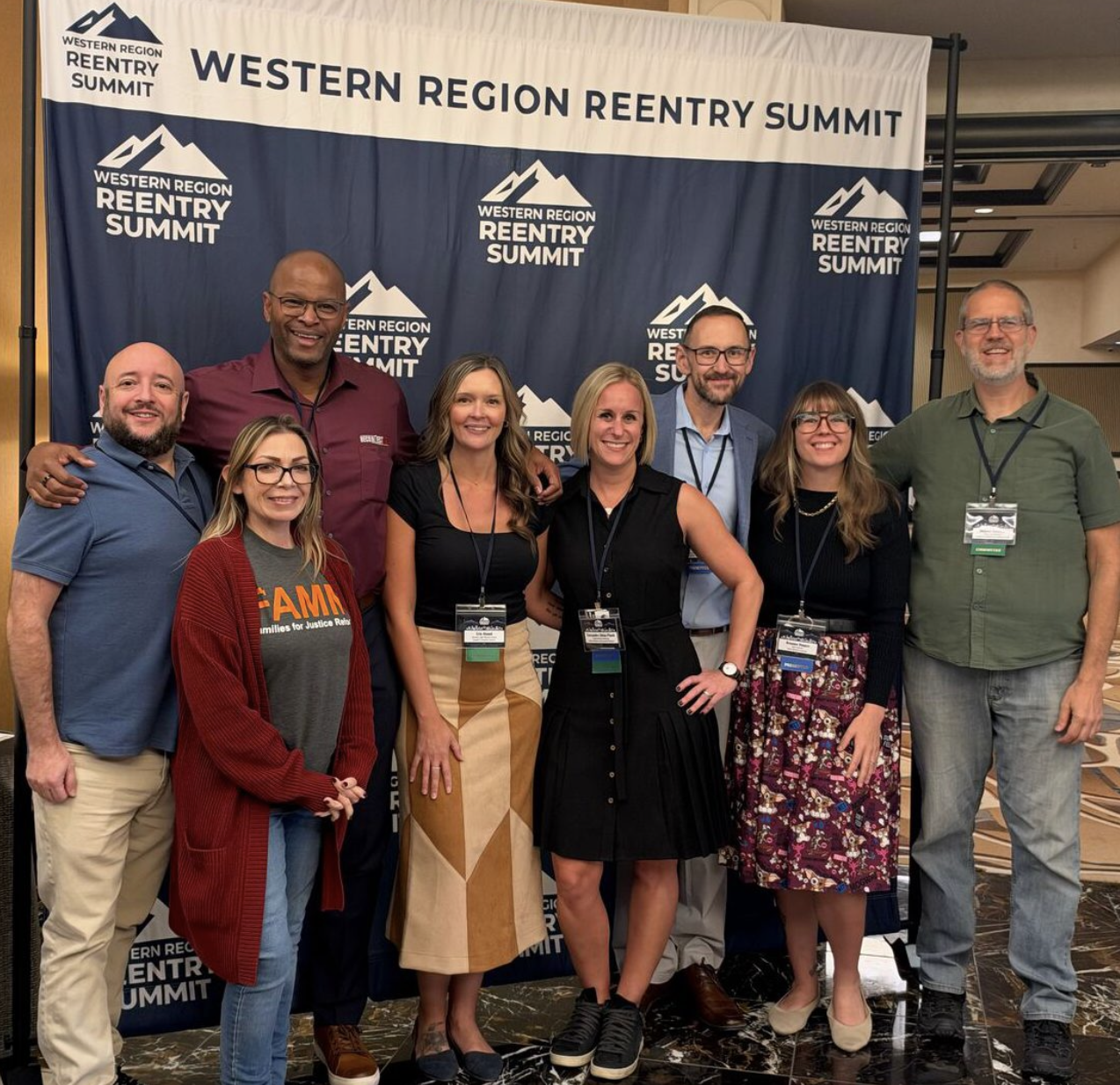
Members of the 2026 Western Region Reentry Summit planning committee
On Friday, I received a Certificate of Special Congressional Recognition from U.S. Senator Jacky Rosen for my efforts in organizing the Western Region Reentry Summit.
I'm proud of that, too. Helping bring national colleagues to Reno took work, and the recognition gives me something tangible to remember it by. The committee and the people who showed up made the event worth recognizing.
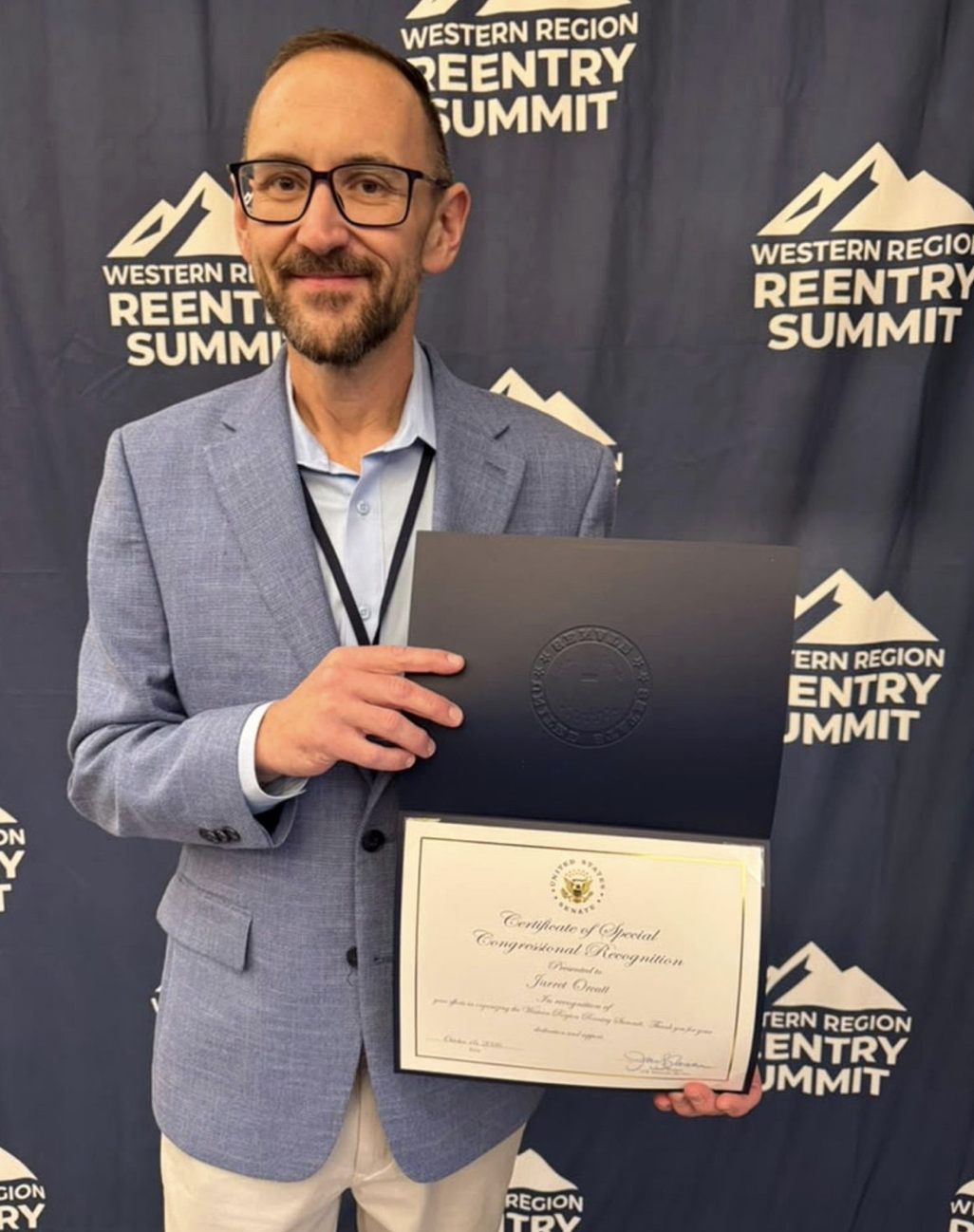
Jarret Orcutt holding his Certificate of Special Congressional Recognition for organizing the summit
After our presentation, Dr. Karen Gedney wrote to say Danny and I had done a great job and asked to share a photo and a write-up with the Nevada Prison Education Project. We also received an invitation to bring our presentation to a statewide specialty courts conference.
There was somewhere else to take the conversation.
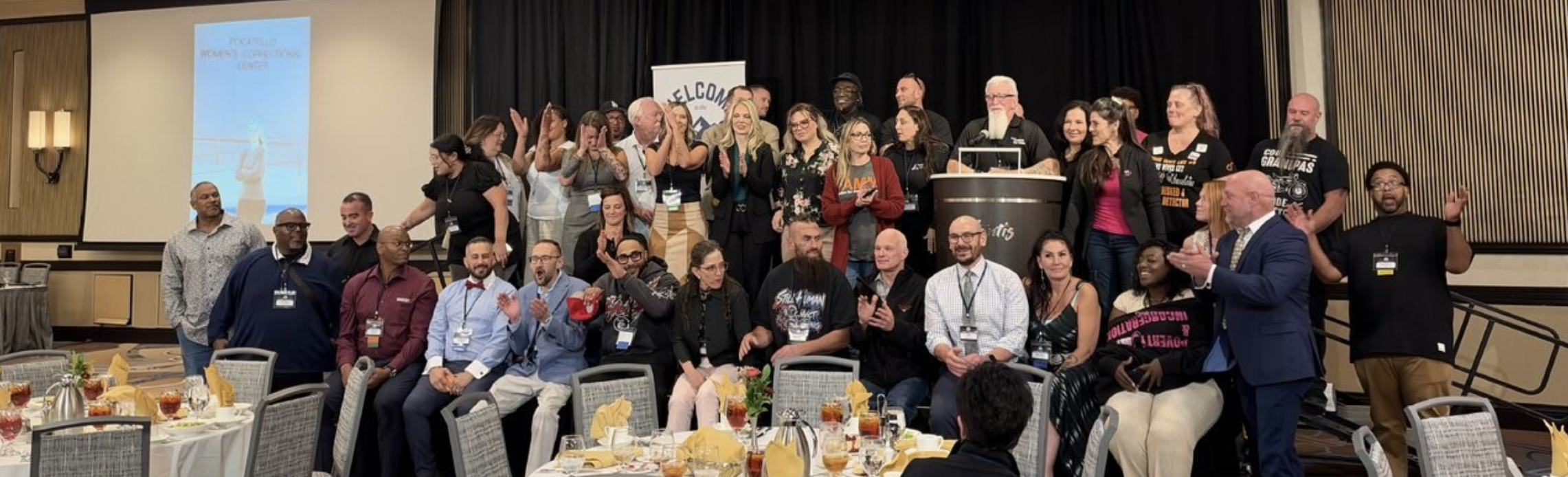
A panoramic view of participants gathered together at the 2026 Western Region Reentry Summit
Fifty of Danny
Danny's number is a useful measure for the work ahead. Fifty people whose college schedules continue after release. Fifty people whose employers consider their skills. Fifty people who can help the next student because they remember what it took to get through.
That is work I can keep doing at TMCC and carry into my service on the Nevada Sentencing Commission. Bringing our mentors into a national gathering gave them a chance to contribute, and gave colleagues from other places a chance to meet them.
On Thursday, a man who had been home since May stopped at our table. I gave him a union recruiter's contact. In the middle of the keynotes and sessions, we had a conversation about finding work.
I told him something people in recovery have been telling one another for years: “You can't keep this if you don't give it away.”
I had a phone number he needed. I'm glad I was there to give it to him.
Jarret Orcutt is the Coordinator of Educational Partnership Programs at Truckee Meadows Community College and serves on the Nevada Sentencing Commission. He served on the planning committee of the 2026 Western Region Reentry Summit in Reno. His work connects higher education, workforce opportunities, and support for justice-involved students. Connect with Jarret on LinkedIn.
Explore the summit program and speaker biographies and the Nevada Prison Education Project's summit announcement. Session photographs of Jarret and Danny by Tim Ill, TMCC. Additional summit photographs supplied from Jarret's event collection.